
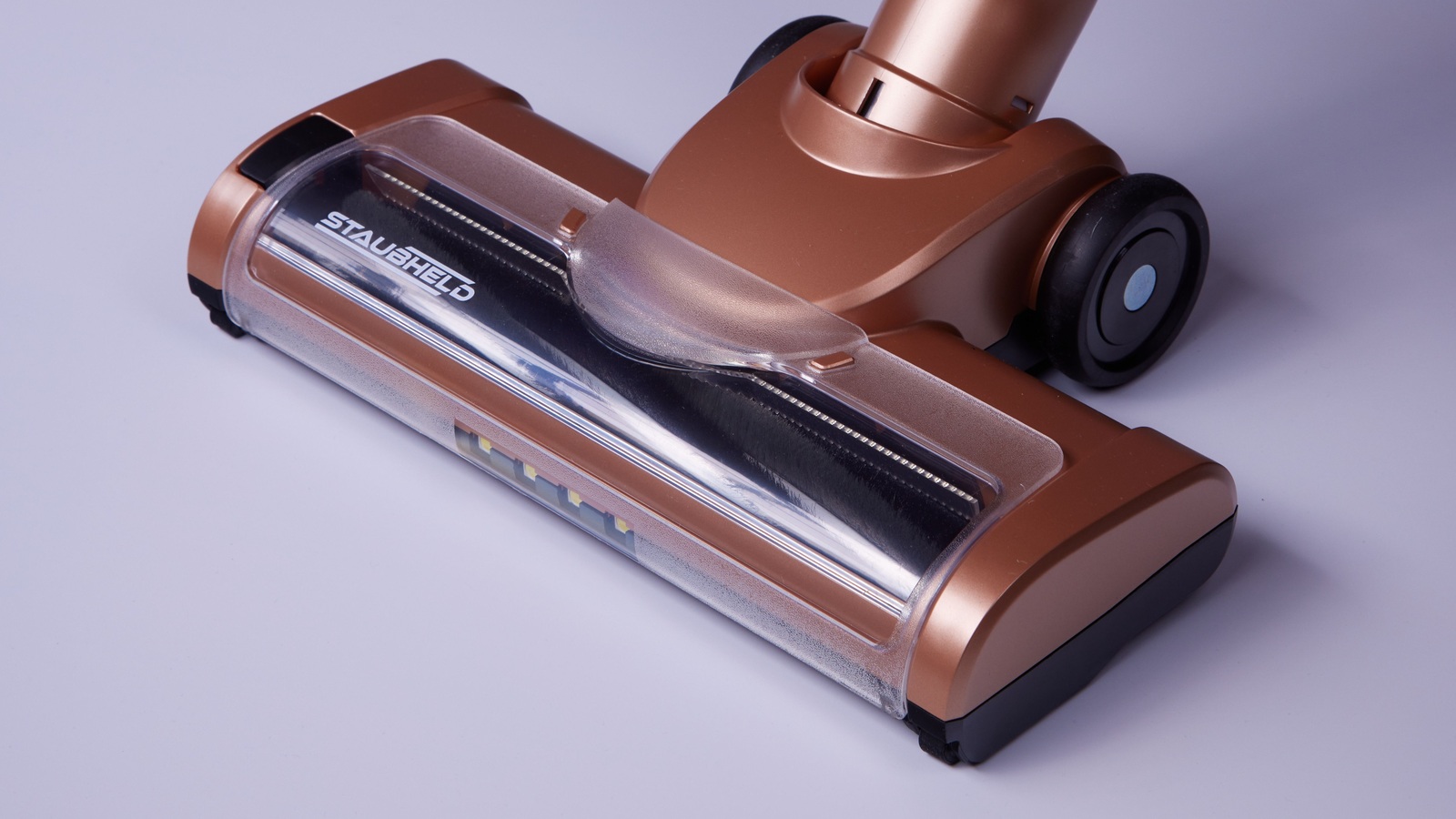
Cordless Vacuums: Why Bigger Numbers Don’t Always Mean Better Cleaning
Pressure, air power and electrical consumption measure different things. Judge the complete cleaner against your floors, routine and maintenance needs.

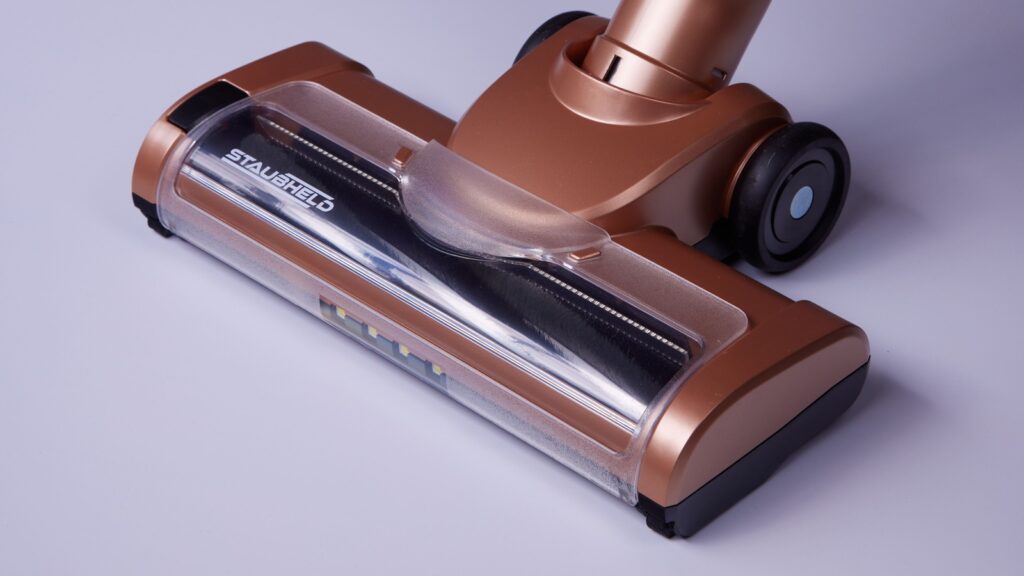
A cordless vacuum’s biggest numbers often describe different moments. Maximum suction may belong to a short high-power setting, while the longest runtime belongs to an easier operating mode. Put those figures together without their conditions and you can imagine a machine the manufacturer has never actually promised.
The better question is what happens at your floor: can the head collect the debris you have, on the surfaces you own, for long enough to finish the job? That is where suction specifications become useful, and where they stop being a complete answer.
Pascals, air watts and motor watts describe different things
Pascals, usually shown as Pa or kPa, describe a pressure difference. They do not tell you the volume of air moving through the machine. Air watts, or AW, combine pressure difference and airflow into an air-power measurement. An electrical input figure in watts describes power consumed, not the amount of dirt collected.
Dyson’s explanation of Pa and AW makes the distinction between pressure and air power, although that page promotes its own robot vacuum. The definitions are useful; its claims of product superiority are not independent evidence and should not be transferred to stick vacuums.
There is no dependable Pa-to-AW conversion from a listing that omits airflow and measurement conditions. Nor should you compare an electrical wattage figure directly with an AW figure just because both contain the word “watts.” Look at what the seller actually measured.
Then ask where it was measured: at the motor, at an inlet, with a tube attached, or at the cleaning head? Which operating mode was used? What was the battery state and was the filter clean? If two listings answer those questions differently, the larger value is not a fair head-to-head result.
Even comparable air-power measurements describe only part of cleaning. Debris still has to enter the head, leave the surface and travel into the bin. A motor specification cannot tell you whether a head pushes a particular crumb ahead of it or is awkward to manoeuvre around a chair.
Look for a cleaning result with a disclosed method
Useful evidence describes the surface, debris, number of passes, operating mode and attachments. A carpet-dust result answers a different question from large-debris pickup on a hard floor. Hair removal, edge cleaning and ease of pushing the head are different questions again.
The IEC’s public description of IEC 62885-2:2026 covers performance measurement for mains-operated and cordless dry vacuums, with additional cordless requirements in Annex D. It also explains why comparative testing in the same laboratory can be more reliable. A reference to an IEC method is useful information; it is not, by itself, a certificate that one vacuum cleans every home better.
When a brand cites a standard, check the edition, the test and what the claim covers. Older documentation may name an earlier standard. Do not infer that every manufacturer has already retested to the newest edition, or that a standards reference validates an unrelated marketing claim.
For independent test coverage, prefer evidence that compares the tasks you care about under consistent conditions. Avoid stitching together one publisher’s carpet result and another’s runtime into an apparently unified ranking. Without comparable methods, the precision is cosmetic.
Choose the floor head before admiring the motor
On a hard floor, think about fine dust, larger crumbs, gaps and the finish of the surface. On carpet, ask how the head agitates and collects embedded debris while remaining manageable. For long hair, consider both pickup and the effort of clearing the brush afterwards.
Miele’s engineering explanation of suction performance describes the interaction of motor efficiency, airflow pathways and the floor head. It is manufacturer guidance rather than independent proof of superiority, but it supports a useful shopping habit: evaluate the system rather than the motor alone.
Read the floor manufacturer’s care instructions as well as the vacuum manual. A rotating brush is not automatically appropriate for every rug or delicate surface. Check whether it can be disabled, adjusted or replaced with a suitable head. If the vacuum is hard to push, consult the recommended head and suction setting instead of assuming maximum power is always the correct setting.
For a hypothetical home with mostly hard flooring and one delicate rug, the decisive feature may be an appropriate brush and an easy change of setting. For another home with substantial carpet and pet hair, a motorised head and evidence of carpet performance may matter more. These are decision examples, not claims about the results of a specific machine.
Check the exact accessory bundle sold in your country. Similar model names can hide different heads, batteries and small tools. A “pet” label is less useful than confirmation that the attachment you need is in the box and can be serviced.
Runtime belongs to a task and a mode
Ask for runtime with the powered head you intend to use, at a setting that performs the required task. A figure measured without a motorised attachment does not describe the same load as cleaning carpet with one.
Dyson’s V15 Detect Absolute product documentation lists up to 60 minutes and describes Boost as a mode for short, intensive cleaning. It also qualifies runtime by operating conditions. That is a documented example of why a maximum runtime and a maximum suction figure should not be treated as simultaneous promises.
A practical comparison records useful runtime, charging time and the battery arrangement together. Does the battery detach as the user manual describes? Can a spare charge separately? Is a replacement available for the exact model through a source you can use? A removable battery helps only if its replacement and charging arrangements are practical.
Measure your cleaning requirement in the way you actually work. A home may be cleaned in one session or in several short sessions; stairs and furniture can take time without adding much floor area. A blanket claim about the number of rooms is less useful than knowing your routine.
If your main need is uninterrupted whole-home cleaning and the available cordless options do not meet it, a corded vacuum remains a reasonable alternative. Cordless is a convenience to evaluate, not an obligation to accept.
Filtration means the whole air path
A filter specification and a whole-machine containment claim are different things. If air bypasses a high-efficiency filter, the filter’s performance alone cannot describe the air leaving the vacuum.
The US EPA explains this distinction in its guidance on HEPA vacuums for renovation work: fitting a HEPA filter does not necessarily make a machine properly sealed. That guidance concerns a specialist use, not approval of an ordinary cordless cleaner for hazardous dust. The relevant buying lesson is to ask what was tested: the filter, or the complete machine?
For an ordinary home, read the claimed particle size, efficiency and test conditions together. Do not compare percentages while ignoring different particle sizes or an unclear test scope. Check whether the filter must be replaced or can be cleaned, and how the manufacturer says to do it.
Emptying matters too. A bagless container still has to be opened and its contents disposed of. Consider where you can empty it without creating an unnecessary mess and how easily the container can be cleaned. A filtration badge says little about how pleasant that part of ownership will be.
Weight on a page does not tell you how it feels
Check whether the quoted weight describes the complete machine with battery, tube and head, or only the handheld unit. Then consider where that weight sits. A handle-heavy machine can be awkward above floor level even when the total looks modest.
If you can handle a demonstration unit, try turning around chair legs, lifting it into handheld use and emptying the bin. Notice whether you must hold a trigger continuously, whether the power controls are easy to reach and whether the head fits under your furniture at the necessary angle. These checks reveal how the design suits your movements and storage space.
Storage has a cost in space. Check whether the vacuum stands safely as instructed, needs a wall dock or comes with a floor stand. Confirm where the charger and spare tools will live. A vacuum you can easily take out and put away may suit daily crumbs better than a technically stronger machine you find cumbersome.
Maintenance preserves the performance you paid for
When pickup deteriorates, inspect the ordinary causes before reaching for Boost: a full container, a blocked tube, a dirty filter or an obstructed head. Turn the machine off and follow its isolation instructions before clearing a blockage or touching the brush.
Dyson’s V15 support guidance connects reduced performance with filters, blockages and a bin at its MAX line. For that model, Dyson specifies a minimum of 24 hours of drying with good airflow after washing, and requires the filter to be completely dry before refitting. Its filter instructions are model-specific. Do not turn a washable-filter instruction from one vacuum into advice to rinse every filter, cyclone or powered head.
Use the exact washing and drying procedure for the part. Refit a washed component only when the manual’s drying conditions have been met; a surface that feels dry is not proof that the interior is ready. Check whether brush bars detach, which parts can contact water and whether the filter is intended to be washed at all.
Before purchasing, find the replacement filter, battery and brush bar for the exact model. Record their actual local availability and cost at the time you buy. A low initial price can be a poor bargain if one worn part makes continued use impractical.
The first clean should answer your buying question
Charge and assemble the vacuum as directed, fit the head intended for the floor, and start with the manufacturer’s normal recommended mode. Use it on your usual debris and routes. Check pickup, manoeuvrability, bin access and whether the session fits the battery. Observe what changes if you need a higher mode for a particular patch.
Do not use a household dry vacuum for liquids or specialist debris unless the exact machine and attachment are expressly intended for that use. A wet-cleaning accessory on a related model is not permission for yours.
The worthwhile purchase is the one that makes your recurring cleaning manageable: the right head, enough useful runtime, accessible maintenance and support for the parts that wear. If you cannot connect a headline specification to one of those needs, it should not decide the purchase.
Smarter choices start with clearer information.
MASEVIO researches, compares and explains products, technology and emerging ideas to help make everyday decisions easier to understand.
MASEVIO may use affiliate links in some articles. If you buy through an eligible link, MASEVIO may earn a commission at no additional cost to you. Editorial opinions are not determined by affiliate partnerships.

Make every day smarter.
Discover what matters now — useful ideas, standout products, clearer comparisons and stories worth knowing.