
A Better Time to Travel: Match the Month to the Holiday You Want
Find the best time to travel for the holiday you want, weighing weather, daylight, seasonal closures and the full cost of your dates.

Moving a holiday by a few weeks can change more than changing the hotel. It can mean cooler streets, a shorter day, a closed attraction or a ferry that no longer fits your flight. The useful version of shoulder-season travel begins with deciding which of those changes you actually welcome.
There is current interest in spreading trips beyond summer. ABTA's Holiday Habits 2026–27 research, published on 13 October, finds May and September prominent in British travellers' stated overseas plans. Its survey covered 2,082 UK adults from 21 July to 6 August 2026. These are intentions in one market, with later months less firmly planned, not evidence that those months will be quiet or cheapest worldwide.
The planning question is more specific: what do you want the destination to deliver, and what must still be operating when you arrive? A museum holiday and a swimming holiday can have different best dates in the same place.
Give your trip one non-negotiable
Before opening a fare calendar, finish this sentence: “I would regret this booking if we couldn't…” The answer might be swim, walk comfortably, ride a particular mountain railway, see seasonal foliage, or keep the children occupied without long transfers.
Make that the constraint. Put secondary preferences below it. A lower room rate should not outweigh the closure of the attraction that prompted the trip. Equally, there is little reason to pay for peak beach conditions if you mainly want galleries and restaurants.
For each possible period, check five things separately: climate, daylight, operating calendars, transport and total cost. “Shoulder season” is not a sixth piece of evidence. It describes a transition around a local peak, and that peak may be driven by something other than summer.
Crete: spring walking and autumn swimming are different decisions
May–June and September–early October are useful windows to investigate for a mixed Crete holiday. They are not interchangeable. If the main aim is walking and exploring towns, start with likely daytime conditions and the route itself. If the children expect hours in the water, investigate sea conditions, beach exposure and pool heating rather than assuming that sunshine settles the question.
Chania can anchor a town-led trip; the Greek national tourism organization also points readers toward the island's outdoor attractions. Combining the two is sensible only when the chosen outdoor activity is genuinely available and suitable for the party.
Samaria Gorge makes the seasonal complication concrete. Its old official website remains online for archival purposes. The current NECCA ticket portal is the relevant place to check access and notices. On our research date, it displayed closure until further notice pending inspections. That is a current operational warning, not a forecast for 2027.
Do not copy an old annual opening range into a future itinerary and treat it as confirmation. Check the actual operating decision, the transport to and from the walk, and any restrictions. If Samaria is the reason for travelling, make those dependencies decisive before committing to inflexible reservations.
For a family choosing a quieter week, ask what the hotel will actually run: pool, meals, children's activities and reception hours. An appealing late-season room is less useful if you must improvise dinner and transport each night. For a short break, one coastal base with a town fallback can be more practical than ambitious cross-island touring.
Lisbon: choose the city rather than borrowing the beach forecast
Visit Portugal identifies spring and autumn as appealing periods for city breaks in Lisbon and Porto. For Lisbon, April–May and October are reasonable weeks to compare if your priority is walking and urban sightseeing. This is a recommendation to investigate, not a quantified claim about lower crowds.
A city trip can absorb an unsettled day more easily than a plan dependent on a boat departure or a particular beach. Put the most weather-sensitive activity early enough to move it. Leave an indoor alternative that you would enjoy, rather than a reluctant backup assembled after the rain starts.
Do not compare only flights. A departure reaching the city late and a return leaving early can remove much of a three-night break. A slightly more expensive flight may buy an extra usable half-day. Count that time alongside accommodation and airport transport.
Check the hotel's position against your actual walking route, particularly if travelling with a buggy or someone who finds slopes difficult. Ask about lifts and access instead of relying on “central” in a listing. For an apartment, include late check-in charges and luggage storage; those can matter more on a short stay than a small difference in nightly rent.
If beach time is the main objective, reassess the season for that purpose. Comfortable urban weather does not prove comfortable swimming. Lisbon makes a strong case for choosing dates around what a city offers, without demanding that the same week also behave like a summer resort holiday.
Kyoto: autumn can be its own peak
November is not a clever crowd-avoidance shortcut simply because it falls outside European summer. JNTO's November guide specifically warns that Kyoto can be particularly busy toward the end of the month as foliage peaks. Its reservations guidance identifies both blossom and autumn-leaf periods as popular.
If foliage is the reason for the trip, that demand is part of the product you are choosing. Book with it in mind. If your priority is temples, food and urban exploration, investigate a less event-dependent period, such as late January–February, while checking holiday dates and accepting cold conditions. This is a different holiday, not the same holiday without the queue.
For an October alternative, inspect the exact seasonal and event context rather than using the month as a guarantee. A national climate description cannot settle conditions at every site. Make one or two essential reservations, then leave enough time between areas to avoid turning the day into a sequence of missed slots.
A family should weigh clothing, daylight and breaks against the appeal of a less crowded period. Independent travellers may accept those trade-offs more easily, especially if their plans are flexible. Anyone travelling a long distance should resist choosing the entire holiday around one predicted natural event without a satisfying itinerary if the timing shifts.
The lesson travels beyond Japan: a destination has several peaks. Flowers, foliage, festivals and domestic holidays can matter as much as the calendar season used at home.
Scotland: daylight belongs in the budget
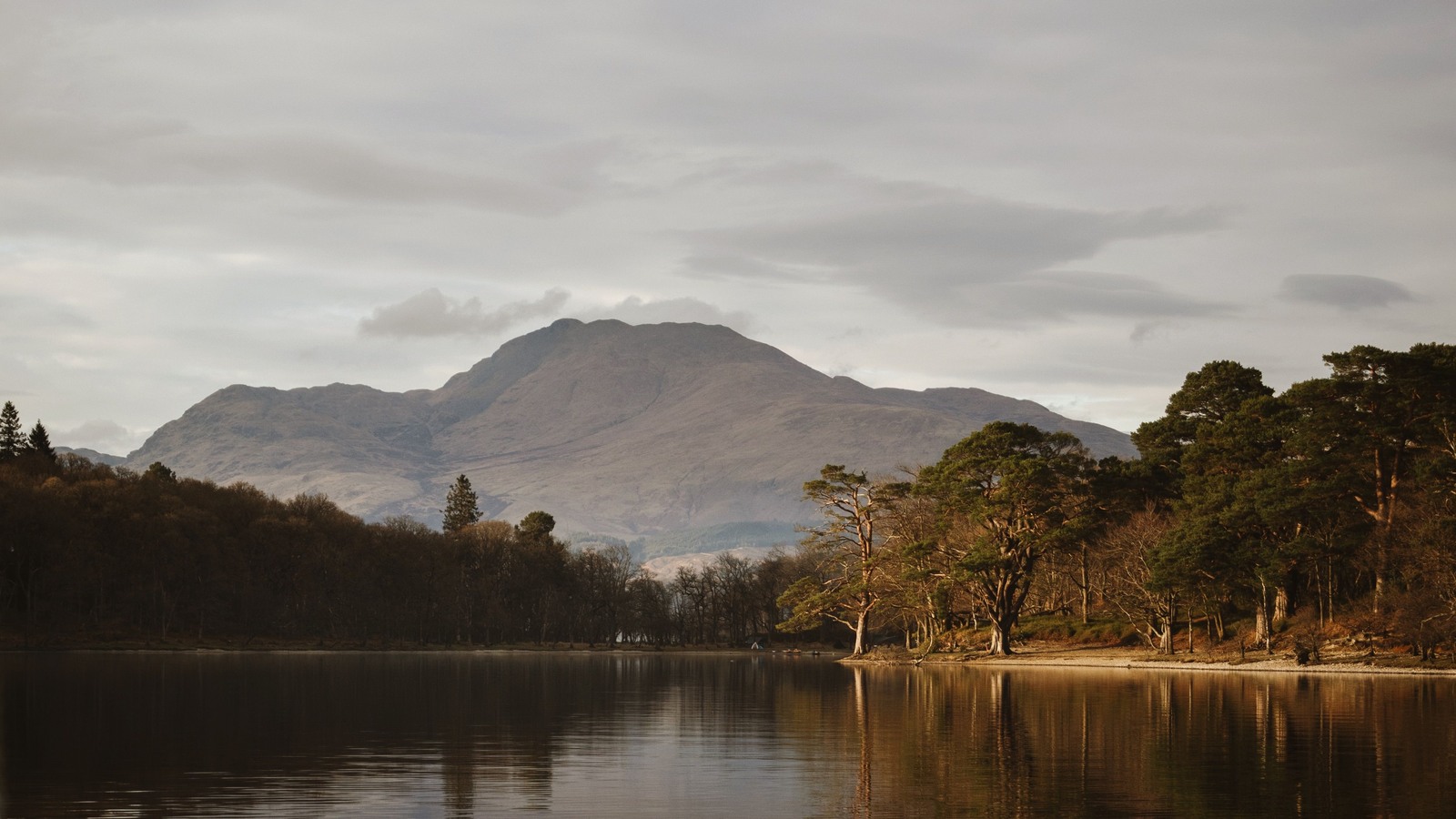
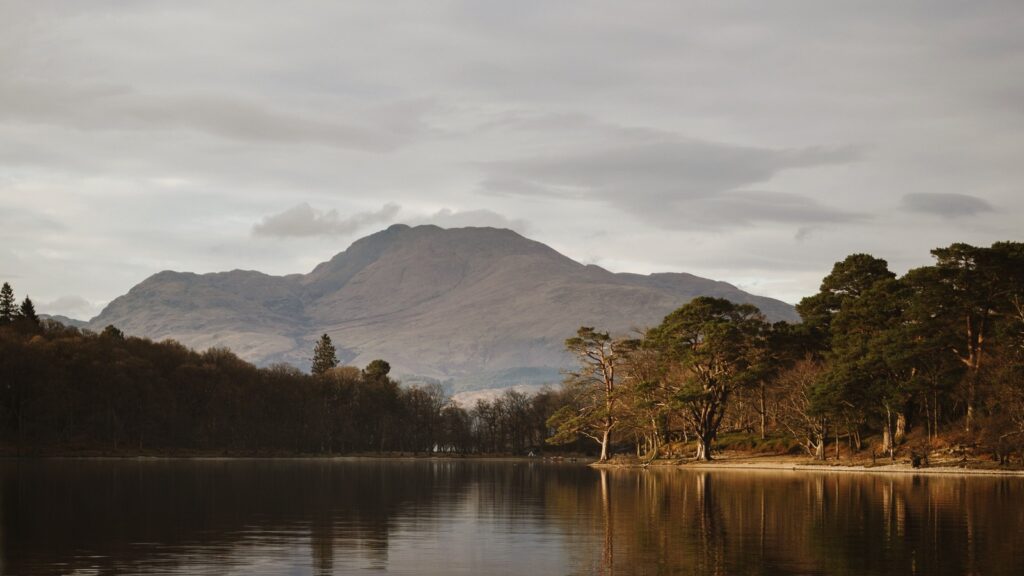
May and September are useful months to investigate for a first trip balancing towns and countryside. VisitScotland's September guidance presents the month as an opportunity for a more relaxed visit. Its weather guide also makes clear why packing and route flexibility matter.
Choose early autumn for the trip it actually offers. Don't keep a midsummer driving programme and simply move its dates later. Check sunrise and sunset for each base, then build the outdoor day within that window. A hotel saving has little value if you pay for a distant attraction that you cannot comfortably reach and visit in daylight.
For a city break, shorter days can be manageable if the things you want are indoors and open. For a rural loop, check the final return transport, attraction opening days and meal options near the accommodation. A lower nightly price in a remote location can carry a substantial time cost.
Avoid planning a long weather-dependent walk as the unavoidable middle link between two non-refundable nights. Keep the ability to shorten the day or change the activity. Check official local conditions and suitable route advice close to departure; a month recommendation cannot establish conditions on a particular hill.
Families may gain more from a shorter loop and a dependable base than from the lowest accommodation total. Independent travellers with flexible bookings can use a longer stay to wait for better conditions. Both should separate an autumn landscape holiday from a promise of uninterrupted outdoor weather.
The Swiss Alps: the village can be open while your attraction is closed
Late June–September is an initial window to investigate for a summer-style mountain holiday. May or November can serve other kinds of visit, but shouldn't be selected solely because rooms appear cheaper. Valley weather does not establish whether an upland path is suitable or a particular lift is running.
Look at a named operation. Harder Kulm's operator publishes seasonal products and operating information; an end-of-season offer for November 2026 is date-specific evidence. It does not establish the 2027 operating calendar, nor the schedule of every railway in the region.
Make a list of the two excursions you would most regret missing. Check their own calendars and the final descent. Then check the connecting train or bus. A destination marketing page and a bookable room cannot verify the complete outing.
For a walking holiday, investigate route conditions separately from mechanical access. The fact that you can reach a mountain station is not an assurance that every path beyond it is appropriate. If the trip is about rail scenery rather than high-level walking, choose an itinerary that makes that distinction clear.
Accommodation inclusions deserve close reading. A guest benefit may apply only to participating properties, particular dates or selected services. Ask for the terms relevant to your stay rather than pricing the holiday around an attractive headline. A family should also check whether each child is covered in the same way as the adults.
Holbox: a lower rate can come with a different risk profile
For a beach-led shortlist, investigate approximately December–April, then compare specific weeks. The Mexican Caribbean's climate information describes the regional seasonal pattern. Treat it as context, not a forecast for your booking.
The important difference from a city break is dependency on the arrival chain. The official destination page describes the road approach through Chiquilá and ferry access. Investigate that chain for your flight's actual landing time. Check arrangements for delays and weather disruption before agreeing to an inflexible island stay.
A wildlife-focused trip may require different dates from a beach-focused one. Verify legal operating periods and conditions with an authorized provider, and accept that natural sightings remain uncertain. There is no universal week that optimizes beach weather, wildlife, price and quietness simultaneously.
Compare cancellation terms as part of value. A slightly higher flexible rate can be more useful than a lower rate that makes every change expensive. Ask what the policy covers rather than assuming “flexible” includes all transport disruption. For travel insurance, check the actual wording relevant to your own circumstances and itinerary.
Price the holiday you will actually take
Create three date options for the same destination. Keep the room standard, number of travellers, luggage and length constant. Compare the full checkout total, not a search-result starting price.
Add airport and station transfers, mandatory fees, meals excluded from the rate, luggage charges, reservations for activities and any extra night required by transport. Record cancellation conditions beside each total. If one option loses a day to awkward flight times, say so in the comparison instead of presenting it as equivalent.
For a family, search using children's real ages and the required occupancy. Check school dates against the official calendar applicable to the children; do not assume one country's holiday period represents everyone's peak. Verify whether advertised activities operate on weekdays in your chosen week.
For an independent traveller, the relevant flexibility may be the ability to shift the destination order. For a short break, it may be an earlier flight and luggage storage. The cheapest calendar square is only useful when it buys the holiday you meant to take.
Make the final decision in the right order
- Confirm the experience that matters most and its operating dates.
- Check the likely climate and daylight, accepting their limits.
- Build the complete transport chain, including the return.
- Compare like-for-like total costs and cancellation terms.
- Reserve the scarce dependency before making everything else inflexible.
The better time to travel is the period whose compromises you can live with. If warm water matters more than lower crowds, choose accordingly. If a mountain railway is the trip, protect its calendar first. Changing when you travel works when you understand what changes with it.
Smarter choices start with clearer information.
MASEVIO researches, compares and explains products, technology and emerging ideas to help make everyday decisions easier to understand.
MASEVIO may use affiliate links in some articles. If you buy through an eligible link, MASEVIO may earn a commission at no additional cost to you. Editorial opinions are not determined by affiliate partnerships.


Make every day smarter.
Discover what matters now — useful ideas, standout products, clearer comparisons and stories worth knowing.